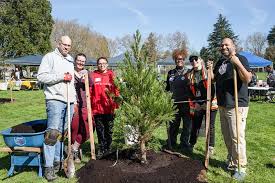
Trees are an important investment in any outdoor property. They provide shade during warm weather, improve the appearance of gardens, support local wildlife, and contribute to a healthier environment. However, keeping trees in good condition requires regular maintenance and an understanding of their growing needs. From my experience working with residential landscapes, I have learned that healthy trees are usually the result of consistent attention rather than occasional maintenance. Simple practices such as inspecting branches, checking soil conditions, and managing water can make a significant difference over time.
Understanding the Growth Habits of Different Trees
Every tree species has its own characteristics and maintenance requirements. Some varieties grow quickly and develop wide canopies, while others grow slowly and require very little pruning. Understanding these differences helps property owners make better decisions about planting locations, watering routines, and long-term maintenance.
When evaluating trees in a landscape, I consider their mature height, root development, sunlight requirements, and seasonal growth patterns. These details are especially important when trees are planted near driveways, fences, or buildings. A tree that looks small today may eventually need considerably more space.
Homeowners should also consider whether a particular species is suitable for the local climate and soil conditions. Choosing the right tree from the beginning can reduce future maintenance requirements and improve its chances of developing successfully.
Why Proper Watering Makes a Difference
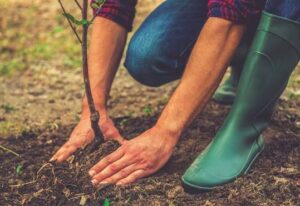
Water is essential for healthy root development, nutrient absorption, and normal growth. However, watering requirements change depending on the tree’s age, species, soil type, and environmental conditions. Newly planted trees generally need more frequent attention because their roots are still becoming established.
I prefer checking soil moisture before deciding whether additional water is necessary. This simple practice helps prevent overwatering, which can create poorly aerated soil and encourage root problems. Deep watering is often useful because it allows moisture to reach the area where active roots are growing.
During extended dry periods, mature trees may also need supplemental watering. Applying water slowly around the root zone is generally more effective than quickly soaking a small area near the trunk. Adjusting the routine according to rainfall and temperature helps maintain suitable soil moisture.
Keep Branches Healthy Through Careful Pruning
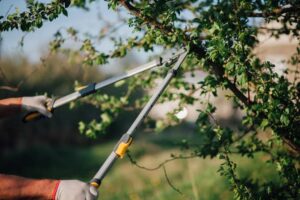
Pruning is an important part of tree maintenance because it helps manage damaged growth and maintain structural balance. Dead branches, broken limbs, and branches showing signs of disease should be evaluated before they become larger problems.
One mistake I often notice is unnecessary cutting. Some homeowners believe removing large amounts of foliage will make a tree grow faster or look cleaner. In reality, excessive pruning can weaken a tree and interfere with its natural development.
A better approach is to remove selected branches for a clear reason. Proper cuts should respect the tree’s natural branch structure and avoid unnecessary injuries to the trunk. For mature trees or complicated pruning work, an experienced arborist can determine which branches should be removed and which should remain.
Protect Trees From Common Pest Problems
Insects can affect different parts of a tree, including its leaves, bark, branches, and roots. Some pests cause visible damage, while others remain difficult to detect until the tree begins showing signs of stress.
During routine maintenance, I recommend checking for unusual leaf damage, small holes in the bark, insect activity, and changes in branch growth. Sticky residue, premature leaf loss, and discolored foliage can also indicate that further investigation is needed.
Not every insect requires treatment, since many species are beneficial to the surrounding environment. Applying pesticides without identifying the problem may cause unnecessary damage. When pest activity becomes persistent, professional identification can help determine the most appropriate response.
Improve Growing Conditions With Mulching
Healthy soil provides the support trees need throughout their lives. Unfortunately, soil around residential properties can become compacted or lose moisture quickly, particularly during warmer months. Mulching is a practical way to improve the conditions around many landscape trees.
Organic mulch materials such as wood chips and shredded bark help reduce evaporation and moderate soil temperatures. As they break down, they also contribute organic matter to the surrounding soil. This can support a healthier growing environment over time.
I recommend spreading mulch evenly around the tree while leaving a gap around the trunk. Creating a thick mound directly against the bark can trap moisture and increase the possibility of decay. A properly maintained mulch ring also helps protect the trunk from accidental lawn equipment damage.
Inspect Trees After Severe Weather
Storms and changing weather conditions can create unexpected problems for trees. Strong winds may break branches, heavy rainfall can affect soil stability, and extended drought can weaken root systems. Regular inspections help property owners identify damage before it creates additional risks.
After severe weather, I pay particular attention to hanging limbs, fresh cracks, exposed roots, and sudden changes in the tree’s position. These conditions may indicate structural damage that requires professional assessment.
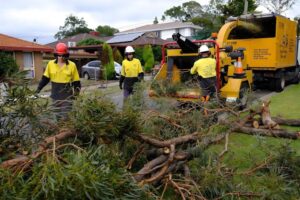
Homeowners should avoid attempting to remove large hanging branches themselves. Damaged limbs can shift unexpectedly, and working near unstable trees can be dangerous. A professional tree care provider has the training and equipment needed to evaluate and manage these situations safely.
Choose Professional Tree Maintenance Carefully
Although basic tree maintenance can be handled by property owners, certain projects require specialized skills. Large-scale pruning, tree removal, disease management, and structural assessments should be completed by qualified professionals.
Before hiring a tree service provider, I recommend asking about insurance, qualifications, safety procedures, and previous experience. A reliable company should inspect the tree and explain the reason for its recommendations. It should also consider whether the tree can be preserved rather than automatically suggesting removal.
Professional inspections are particularly useful for mature trees and those growing close to homes, parking areas, and public walkways. Identifying structural problems early can help property owners make informed decisions and reduce potential hazards.
Make Tree Care a Long-Term Priority
Maintaining healthy trees requires a consistent approach. Regular inspections, appropriate watering, careful pruning, soil protection, and pest monitoring all contribute to better growing conditions. These practices also help property owners recognize developing problems before they become serious.
I believe the most effective tree care routines are based on prevention and an understanding of individual tree requirements. Every property has different environmental conditions, and maintenance should reflect the species, age, and location of each tree.
With proper attention and professional assistance when necessary, trees can remain strong, attractive, and valuable features of a landscape for decades. Taking care of them today helps protect the beauty and safety of outdoor spaces for the future.